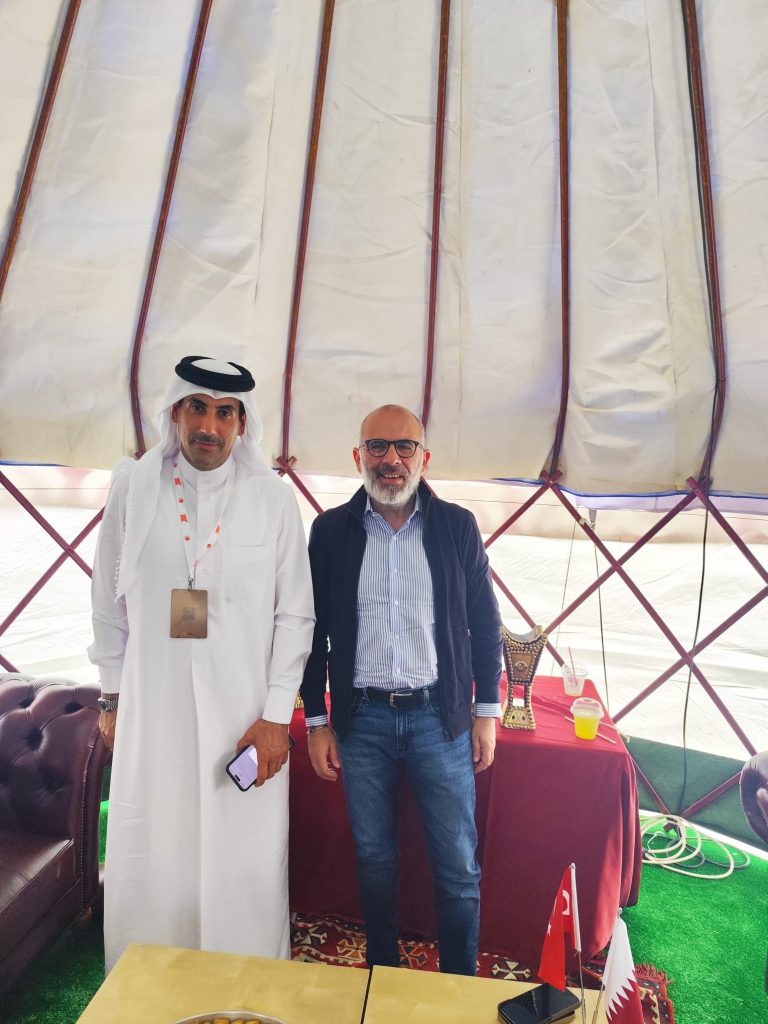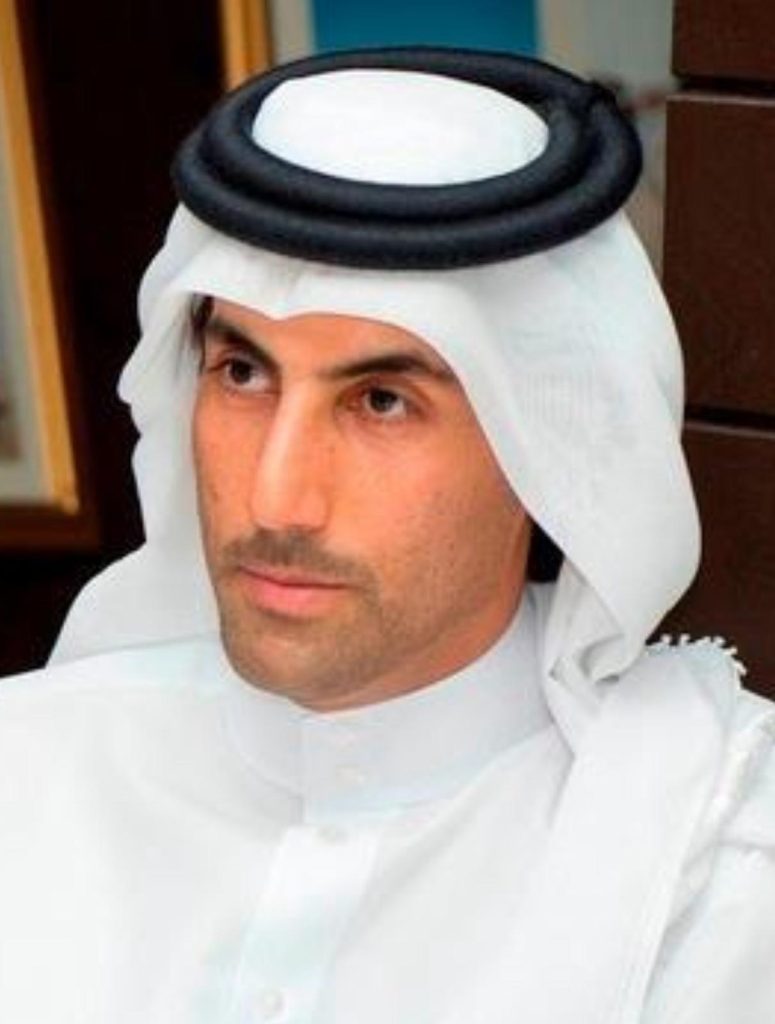




























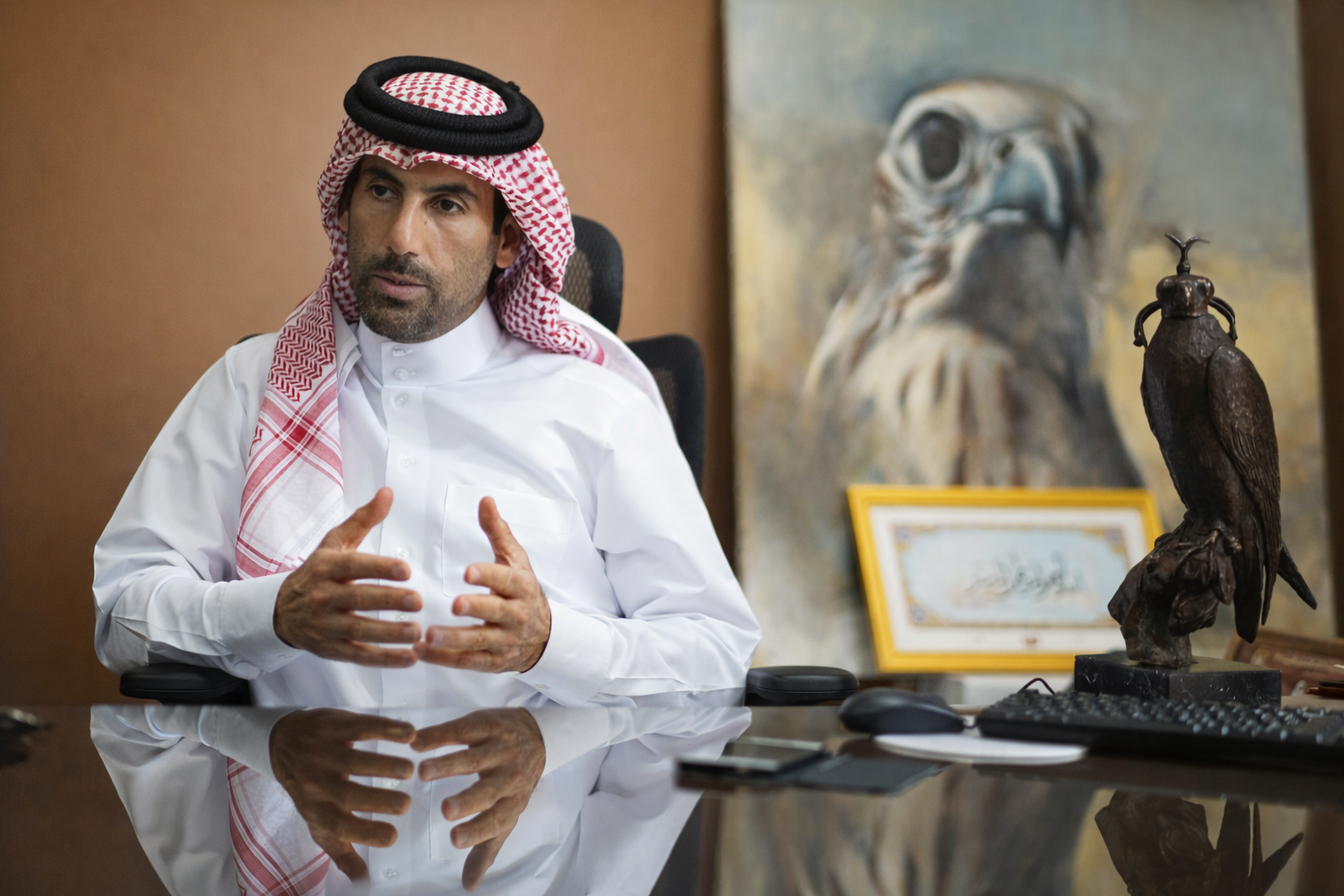
La Gazzetta di Milano meets Mohammed bin Abdul Latif Al-Musnad, Vice President of the Qatar Falconry Association
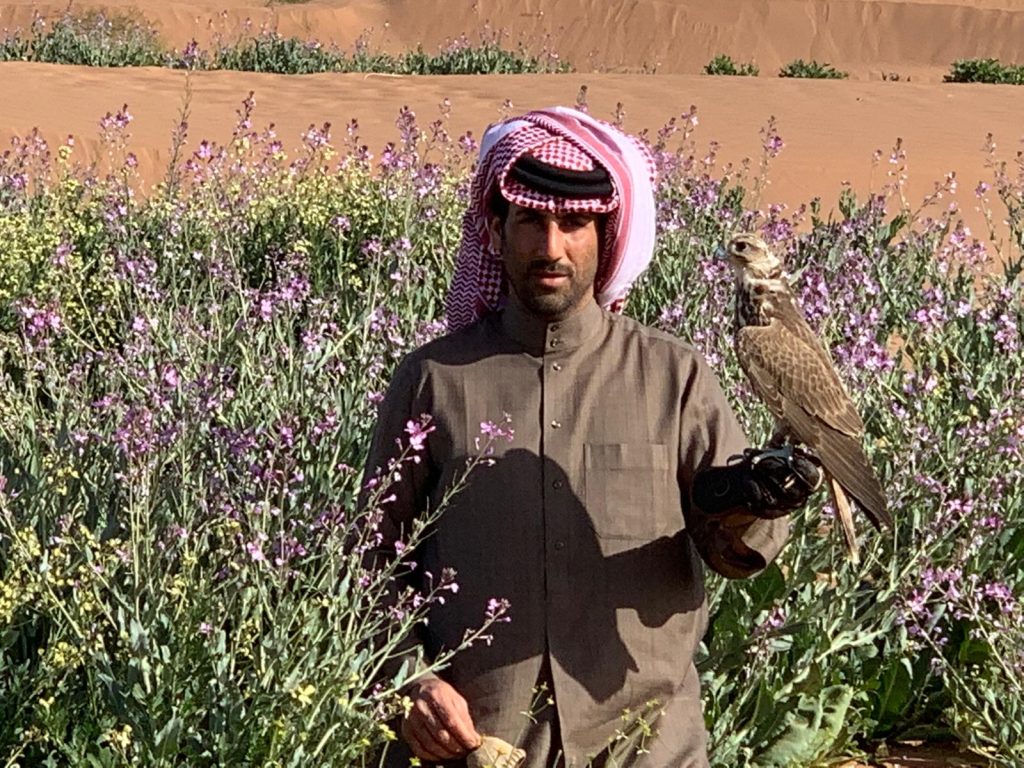
There is a subtle, ancient, and tenacious thread that connects the deserts of Qatar to the hills of Italy. It is called falconry, and in Arab tradition it is not merely a sport: it is memory, identity, and culture. To tell this story is Mohammed bin Abdul Latif Al-Musnad, Vice President of the Qatar Falconry Association, in an exclusive interview granted to La Gazzetta di Milano — an interview that reveals just how alive this ancient Arab tradition remains today, capable of embracing technology without betraying its roots.
Arab Falconry Tradition: Origins and Meaning
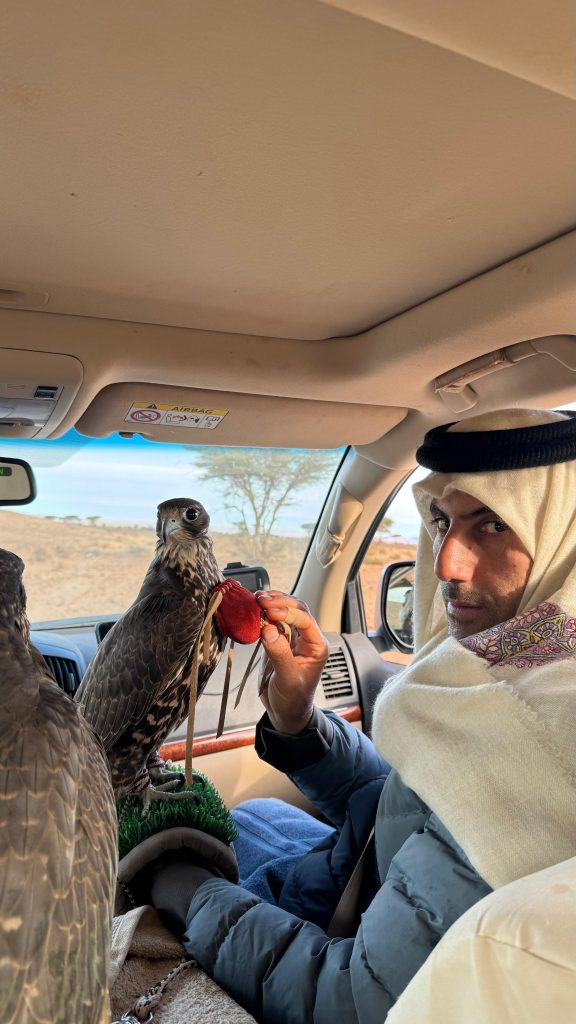
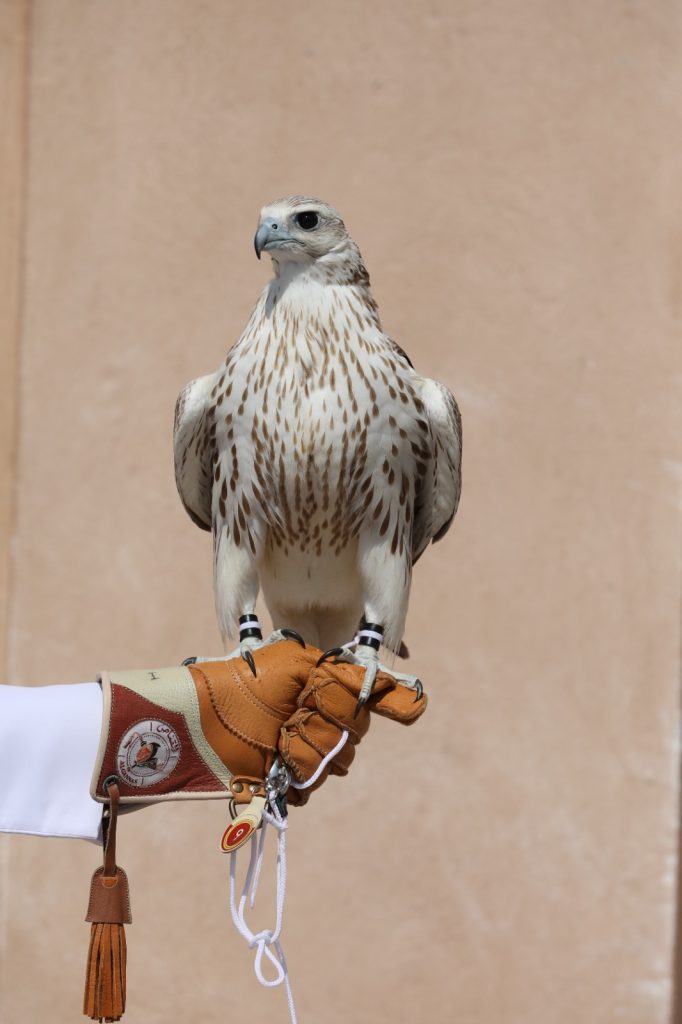
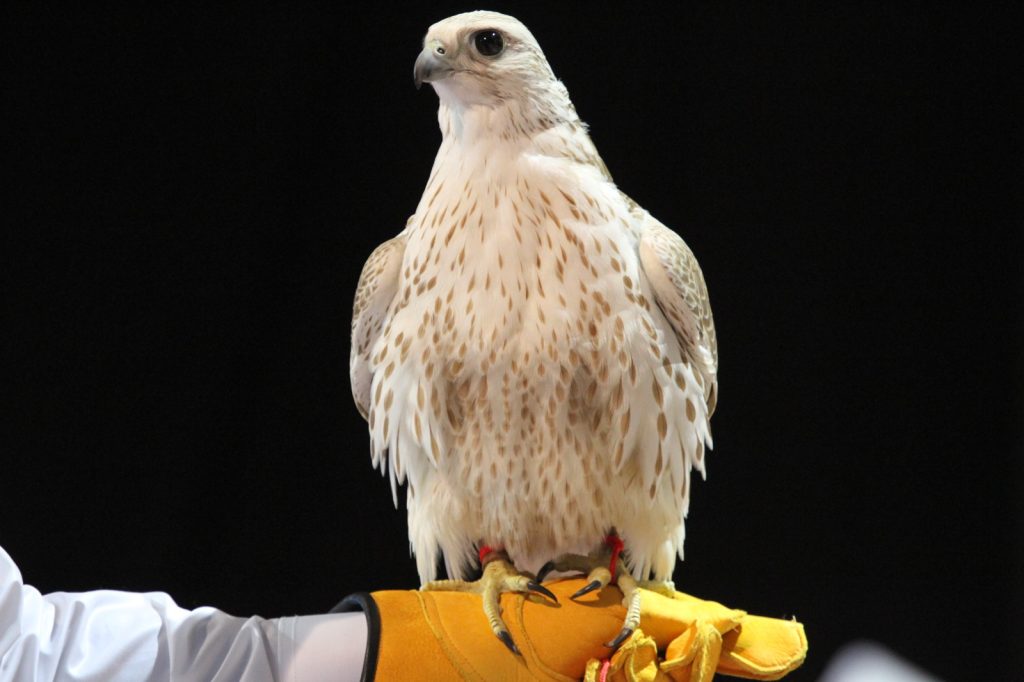
The art of falconry in Arab tradition was not born as a pastime. For the peoples of the Middle East, and Qatar in particular, it was a means of survival — a way to procure food in hostile territories. Over time, that necessity transformed into art, collective ritual, and national symbol. Today, falconry is Qatar’s official sport, supported by a clear political commitment to preserve and promote it. This is not nostalgia — it is identity: the falcon represents to Qataris what the horse means to the peoples of the steppes, a life companion, a mirror of the soul.
The most significant recognition came when UNESCO included Arab falconry on the List of Intangible Cultural Heritage of Humanity, confirming at the international level what practitioners have always known: this tradition belongs to all of humanity, not to a single people.
Italy and Qatar: An Alliance Between Falconers
What strikes one most in Al-Musnad’s words is the warmth with which he speaks of Italy. This is no mere diplomatic formality, but a genuine bond. “We feel almost a blood tie with Italians,” he says. Italy is a member of the International Falconry Federation, and its associations share with Qatar the same passion for this ancient art of Arab tradition. Yet the relationship goes beyond culture: Italian industry also plays a key role on the technological front.
Italian GPS devices are used to track the migratory routes of falcons across thousands of kilometres — up to one thousand in a single day. Microchips, miniaturised cameras, and prey-speed measurement systems frequently bear the made in Italy label. Italian falcon breeding farms also enjoy an excellent reputation in the Arab world. Tradition and innovation, then, do not exclude each other: they form an alliance.
The World Nomad Games: Arab Falconry on the Global Stage
A key moment in the interview concerns the World Nomad Games, scheduled in Kyrgyzstan this September. Qatar will participate with a delegation of around twelve people. “Our international starting point for this sport was Kyrgyzstan,” recounts Al-Musnad, highlighting the historic bond between Arab falconry tradition and this global competition.
Italy will also be present: the Italian representative of the International Games Secretariat will lead a delegation that includes four falconry practitioners, confirming the vitality of this discipline in Italy as well.
The S’hail Fair in Doha: The World Temple of Falconry
Al-Musnad is not only Vice President of the Qatar Falconry Association: he also serves as Vice President of the organising committee of the S’hail Fair, officially known as the Katara International Hunting and Falcons Exhibition. This is the most important hunting and falconry trade fair in the Middle East and the wider Gulf region, and one of the most significant in the world for this sector.
In Al-Musnad’s own words, S’hail has now grown into an international platform for technological innovation applied to falconry and hunting, as well as a showcase for tradition. It is in this spirit that the Vice President extends a direct invitation to Italian companies to participate in the next edition as exhibitors — a concrete opportunity, given the outstanding reputation of made in Italy in this sector, from hunting weapons to GPS tracking devices for falcons, to high-quality raptor breeding farms.
A Tradition Looking to the Future
What emerges most forcefully from the conversation with the Vice President of the Qatar Falconry Association is the image of an Arab tradition unafraid of the future. Qatari falconry studies, participates, and engages with the world. It uses satellites to follow falcons, collaborates with international researchers and companies, and carries its heritage onto the global stage — with the awareness that the deepest roots are the ones that allow you to grow the highest.
The falcon, after all, knows no borders.